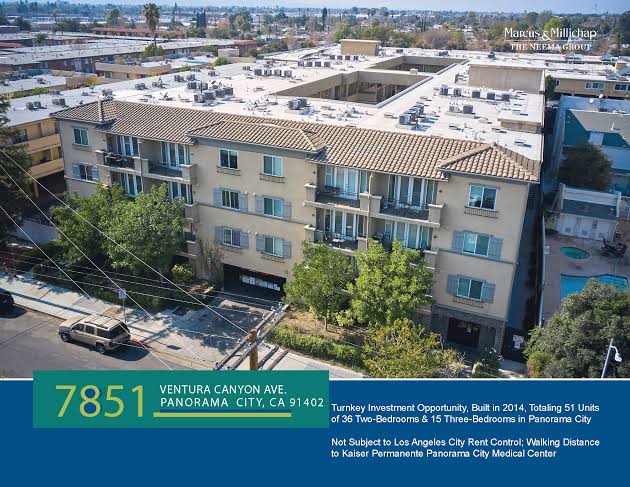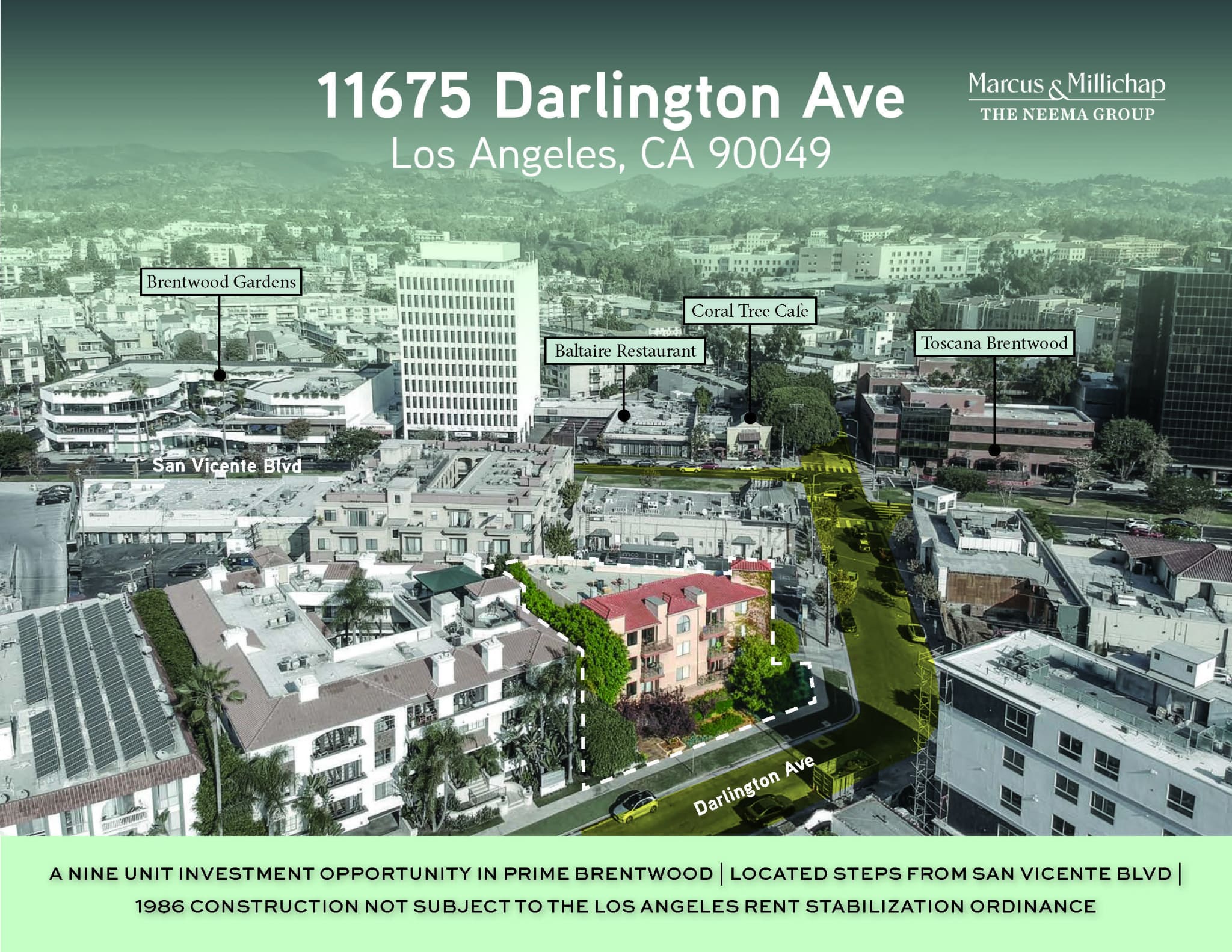


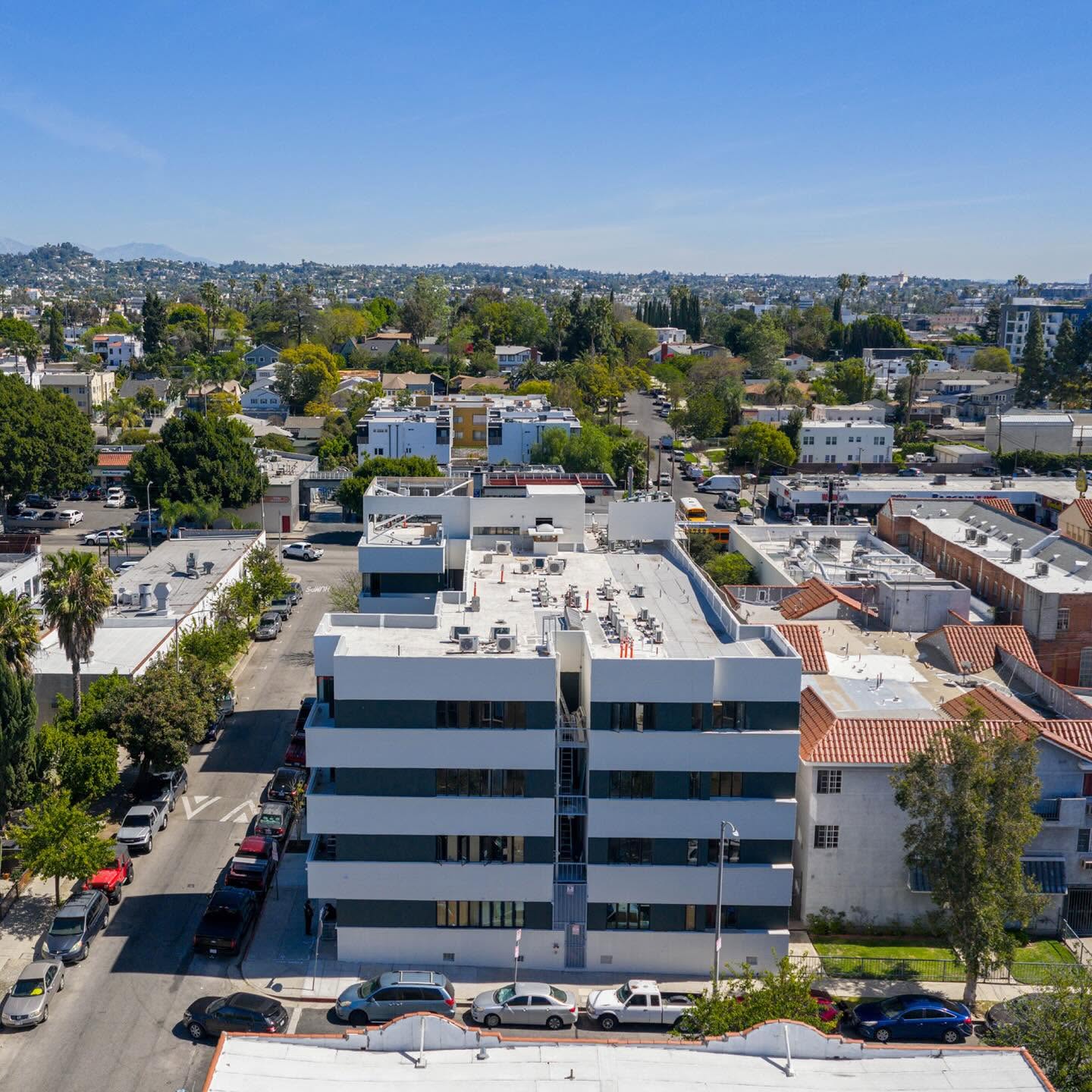
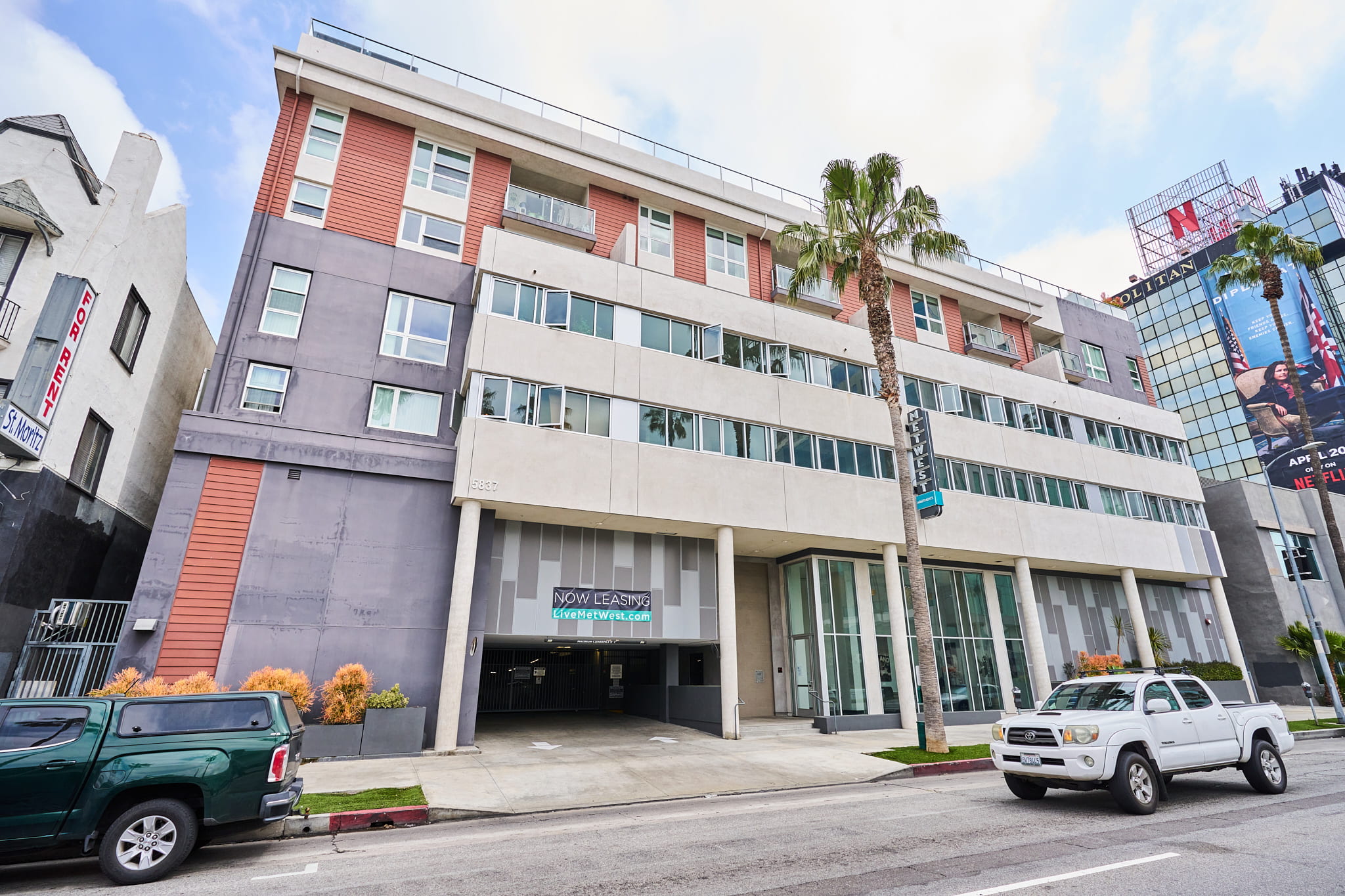
When we first got the call, our client was in a tough spot. He owned several apartment buildings and two office buildings around Los Angeles, and he had personally guaranteed one of his loans. When that loan went into default, the lender wanted to be paid, and the only way to do that was to sell.
We took the portfolio to market and brought in multiple offers. The problem was that the offers came in below what the owner believed his buildings were worth, and he wasn’t ready to accept them. Time ran out before we could get anything under contract, and he filed for bankruptcy to protect what he had left.
The court appointed a trustee to oversee the case. He met with our team and liked what he saw, but after looking at the debt against the buildings, he didn’t think there was enough equity to keep the sale going. He planned to step away from the portfolio, which would have sent the buildings back to the lender and left the owner with nothing.
We saw it differently. We had priced every building in that portfolio, and our numbers showed enough value to pay off the lender with money left over for the owner.
That’s where a receiver came in, a court-appointed specialist who takes over distressed properties and sells them. He brought our pricing to the judge and argued that the sale should continue because the equity was there. The judge agreed and approved him to take over.
When the receiver sat down with us, we brought everything we had from the first round: the written updates we’d sent the owner, the offers we’d received, and a full record of our marketing. They were surprised by how much we had documented, and they hired us right there. The lender ran its own interview and made the same call. The deal hadn’t closed the first time, but the way we’d handled it was the reason we were trusted with the second.
Selling through the court is a different process than a normal sale. We first signed an opening buyer, whose offer set the minimum price. From there, any other buyer could show up in court and bid higher. Bidders had to fill out specific court forms and bring a cashier’s check for a set amount, and we had to post public notices exactly where the court required.
On the day of the sale, we were in the courtroom, with other members of our team joining online. The judge asked us about our marketing, our pricing, and the bids we’d received before opening the floor. Buyers came ready to compete, and since most of them had never bought property this way, we walked each one through it.
In the end, every building sold, most of them to different buyers. The lender was paid in full, and the owner kept equity in a portfolio that had nearly been given up on.
Transaction Snapshot
- Asset: 6 apartment buildings and 2 office buildings
- Market: Beverly Hills, Panorama City, Los Feliz, Koreatown, Pico-Union
- Circumstance: Personal guarantee default, bankruptcy
- Process: Receivership, court-ordered sale with overbid
- Buyers: 12 separate purchasers
- Outcome: Every property sold, lender paid off, equity preserved
Empower Your Investment
Whether expanding or transitioning your real estate asset or portfolio, we have the proven strategies and market wisdom to help you succeed.